

- Author:
- Courtney Castleberry
- Posted:
- November, 9, 2026
- Categories:
- General
Embarking on the journey to find your next home is an exciting time, but it often comes with a significant decision: should you buy a brand-new house or an existing one? This choice between new construction and resale homes for sale can feel overwhelming, as each option presents its own set of advantages and considerations. For families across the Dallas–Fort Worth metroplex, understanding these differences is key to making a decision that aligns with your lifestyle, budget, and long-term goals.
At Kindred Homes, we believe in helping you build “Your Idea of Home™,” whether that means a custom-feel new build or a thoughtfully chosen existing property. This guide will walk you through the critical factors to consider, helping you weigh the pros and cons of new construction versus resale so you can confidently choose the path that’s right for your family.
Key Takeaways
- New construction offers modern designs, energy efficiency, and builder warranties, but may involve longer timelines and suburban locations.
- Resale homes often provide established neighborhoods, mature landscaping, and quicker move-in times, though they might require more immediate maintenance and updates.
- Cost of ownership extends beyond the purchase price, encompassing utilities, maintenance, and potential renovation expenses.
- Customization is a major draw for new builds, allowing buyers to personalize finishes and layouts from the start.
- Your family's priorities—timeline, budget, desired location, and appetite for renovation—will ultimately guide your decision.
Cost of Ownership: New Construction vs. Resale
When comparing new construction and resale homes, the sticker price is just one piece of the puzzle. A true understanding of the financial commitment requires looking at the long-term cost of ownership. This includes not only the initial purchase but also ongoing expenses like utilities, maintenance, and potential upgrades.
| Factor | New Construction | Resale Home |
|---|---|---|
| Initial Purchase Price | Often higher due to modern features, materials, and land development costs. | Generally lower per square foot, but can vary widely based on age, condition, and location. |
| Energy Efficiency | Built to current energy codes, often featuring advanced insulation, efficient HVAC systems, and smart home technology, leading to lower utility bills. | Older homes may have outdated insulation, windows, and appliances, potentially resulting in higher energy consumption and utility costs. |
| Maintenance & Repairs | Minimal for the first few years due to new systems and components. Covered by builder warranty for a period. | Likely to require more immediate and ongoing maintenance, including roof, HVAC, plumbing, and appliance repairs. |
| Renovation & Upgrades | Opportunity to select finishes and upgrades upfront, avoiding immediate renovation costs. | Often requires immediate or future renovations to update aesthetics, functionality, or address deferred maintenance. |
| Insurance Costs | May be slightly lower due to modern construction materials and safety features. | Can vary based on age, construction type, and location; older systems might lead to higher premiums. |
| Property Taxes | Based on the new, often higher, assessed value of the property. | Based on the current assessed value, which may be lower than a new build, but can increase with market value or renovations. |
| Appreciation Potential | Strong potential, especially in growing communities, as new homes often set market trends. | Can appreciate well, particularly in desirable, established neighborhoods, but may be limited by older features. |
Understanding the full financial picture helps you budget effectively for your new home.
While a new home might have a higher initial price tag, the long-term savings on utilities and maintenance can often offset this. Resale homes, conversely, might offer a lower entry point but could demand significant investment in repairs and upgrades over time. It's crucial to consider these ongoing expenses when evaluating your budget for homes for sale.
Timeline: Building New vs. Buying Resale
The speed at which you need to move into your new home is a significant factor in your decision. The timeline for new construction versus buying a resale home can differ dramatically, impacting your planning and current living situation.
New Construction Timeline:
- Longer Process: Building a new home from the ground up typically takes several months, from lot selection and design choices to construction and final inspections.
- Phased Decisions: You'll be involved in various stages, from choosing floor plans and structural options to selecting finishes like flooring, countertops, and paint colors.
- Potential Delays: Construction timelines can be affected by weather, material availability, labor shortages, and inspection schedules, requiring flexibility.
- Move-in Ready Options: Some builders, like Kindred Homes, offer 'spec homes' or quick move-in homes that are already under construction or completed, significantly shortening the wait.
Resale Home Timeline:
- Quicker Closing: Once an offer is accepted, the process usually involves inspections, appraisals, and loan underwriting, often closing within 30-60 days.
- Immediate Availability: Many resale homes are ready for immediate occupancy upon closing, which is ideal for those needing to move quickly.
- Less Decision-Making: The home's features are already set, reducing the number of design decisions you need to make before moving in.
- Negotiation & Repairs: The timeline can be extended by negotiations over repairs identified during inspection or by a complex closing process.
If you have a tight deadline or prefer a swift transition, a resale home might be more suitable. However, if you have the luxury of time and desire a home tailored to your preferences, the new construction timeline can be a rewarding experience.
Customization Options: New Builds vs. Resale Homes
One of the most compelling reasons to choose new construction is the unparalleled opportunity for customization. Imagine stepping into a home where every detail, from the layout to the finishes, reflects your personal style and needs. This is a significant differentiator when comparing new builds to existing homes.
With a new Kindred Home, you often have the chance to select your floor plan, choose structural options like an extra bedroom or a gourmet kitchen, and personalize interior finishes. This means picking out your preferred cabinetry, countertops, flooring, paint colors, and even light fixtures. This level of personalization ensures that your home is truly “Your Idea of Home™” from day one, without the need for immediate renovations or compromises.
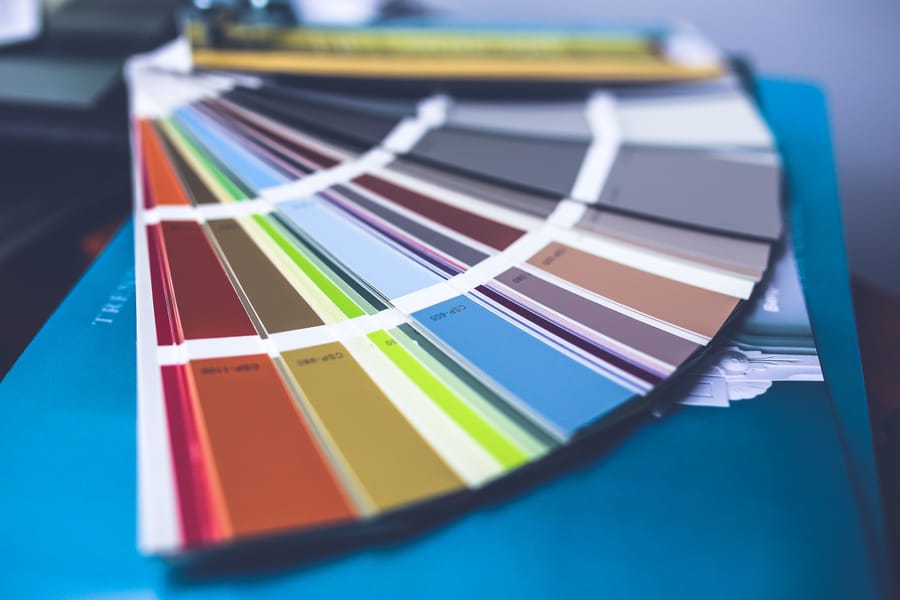
New construction offers extensive design flexibility, allowing you to personalize your living space.
In contrast, buying a resale home means inheriting the previous owner's choices. While some buyers appreciate the character and history of an older home, others might find themselves wanting to update or change certain aspects. Renovations in a resale home can be costly, time-consuming, and disruptive, often requiring you to live in a construction zone or incur additional living expenses during the process. While you can certainly make a resale home your own over time, it typically involves more effort and expense after the initial purchase.
Location Considerations: Where to Buy?
The location of your home is paramount, influencing everything from your daily commute to your children's schools and access to amenities. New construction and resale homes often occupy different types of locations, each with its own set of advantages and disadvantages.
New Construction Location Pros
- Modern Infrastructure: New communities often feature brand-new roads, utilities, and community amenities like parks, pools, and clubhouses.
- Developing Areas: Typically found in growing suburban areas, offering potential for future appreciation as the community matures.
- Master-Planned Communities: Many new builds are part of thoughtfully designed master-planned communities with specific architectural guidelines and a cohesive aesthetic.
- Access to New Schools & Retail: Often located near newly developed schools, shopping centers, and entertainment options.
New Construction Location Cons
- Further from City Centers: May require a longer commute to established downtown areas or business districts.
- Less Mature Landscaping: Yards and common areas might be newly planted, lacking the mature trees and established greenery of older neighborhoods.
- Ongoing Construction: Living in a developing community means potential noise and dust from ongoing construction for a period.
- Limited Character: Some find the uniform aesthetic of new communities lacks the unique character of older neighborhoods.
Resale Home Location Pros
- Established Neighborhoods: Often located in mature, tree-lined neighborhoods with a strong sense of community and history.
- Proximity to City Centers: Many older homes are closer to urban cores, offering shorter commutes and access to established cultural attractions.
- Mature Landscaping: Enjoy lush, established yards and gardens from day one.
- Diverse Architecture: A wider variety of home styles and designs, contributing to a unique neighborhood feel.
Resale Home Location Cons
- Limited Availability: Finding a home that meets all your criteria in a highly desirable, established area can be challenging.
- Older Infrastructure: May have older roads, utility lines, and public amenities that could require future upgrades.
- Less Predictable Neighbors: While established, the community might not have the same cohesive feel as a master-planned development.
- Potential for Outdated Zoning: Older areas might have zoning regulations that limit future development or changes.
Your ideal location depends on your priorities. Do you value a shorter commute and established charm, or are you drawn to modern amenities and the growth potential of a new community? Kindred Homes builds in desirable communities across the Dallas–Fort Worth metroplex, offering a range of locations to suit different family needs.
Warranty and Support: What to Expect
Understanding the level of protection and support you receive after purchasing your home is another critical factor. This is where new construction often provides a distinct advantage over resale homes.
When you buy a new construction home from a reputable builder like Kindred Homes, it typically comes with a comprehensive builder warranty. This warranty provides peace of mind, covering various components of your home for a specified period. For instance, you might have a warranty on workmanship and materials for the first year, coverage for major systems (like plumbing, electrical, and HVAC) for a few years, and a longer structural warranty for the foundation and load-bearing elements. This means that if an issue arises within the warranty period, the builder is responsible for addressing it, saving you from unexpected repair costs.
Kindred Homes stands by its craftsmanship and offers robust warranty programs, ensuring that our homeowners feel supported long after they move in. Our commitment to quality and customer care is a cornerstone of our family-owned business, providing a seamless homebuying experience and lasting peace of mind.
In contrast, when you purchase a resale home, it is typically sold “as-is.” While you can conduct a thorough home inspection before buying to identify potential issues, once the sale is complete, any repairs or replacements become your responsibility. Some buyers opt to purchase a separate home warranty plan for a resale home, which can cover certain appliance and system breakdowns for a year or more. However, these plans often have limitations, deductibles, and may not cover pre-existing conditions or structural issues.
The assurance of a builder's warranty with new construction can significantly reduce the financial risk and stress associated with homeownership, especially in the initial years.
Who Each Option Fits Best
Ultimately, the choice between new construction and a resale home comes down to your family's unique priorities, lifestyle, and financial situation. Here’s a quick guide to help you see which option might be your best fit:
New Construction is Ideal For:
- Buyers seeking modern design and features: If you want the latest in home technology, open-concept layouts, and contemporary aesthetics.
- Those prioritizing energy efficiency: If lower utility bills and a smaller environmental footprint are important to you.
- Families desiring customization: If you dream of choosing your own finishes, colors, and even some layout modifications.
- Individuals who value peace of mind: If a builder's warranty and minimal immediate maintenance are high on your list.
- People with flexible timelines: If you have the patience for a construction period and can adapt to potential delays.
- Those looking for community amenities: If you want to live in a master-planned community with shared facilities like pools, parks, and clubhouses.
Resale Homes are Ideal For:
- Buyers needing to move quickly: If you have a tight deadline and need a home ready for immediate occupancy.
- Those who love established neighborhoods: If mature trees, unique character, and proximity to city centers appeal to you.
- Families on a tighter budget: If a potentially lower purchase price and the opportunity to build equity through DIY renovations are attractive.
- Individuals who appreciate unique charm: If you prefer homes with history, distinct architectural styles, and a lived-in feel.
- People comfortable with maintenance: If you're prepared for potential repairs and updates, or enjoy home improvement projects.
- Those seeking negotiation opportunities: If you're looking for a deal and are willing to negotiate on price or repairs.
Frequently Asked Questions
Navigating the homebuying process often brings up many questions. Here are some common inquiries about new construction and resale homes:
Q: Are new homes always more expensive than resale homes?
A: Not necessarily. While the initial purchase price of a new home can be higher, the long-term cost of ownership might be lower due to superior energy efficiency, fewer immediate repairs, and a builder's warranty. Resale homes might have a lower upfront cost but could require significant investment in updates and maintenance over time. It's essential to consider the total cost over several years.
Q: Can I negotiate the price of a new construction home?
A: While the list price for new construction is often firmer than for resale homes, there can still be opportunities for negotiation, especially regarding upgrades, closing costs, or incentives offered by the builder. It's always worth discussing your options with the sales team.
Q: Do resale homes come with any warranties?
A: Resale homes are typically sold “as-is.” However, buyers can often purchase a separate home warranty plan from a third-party provider, which covers certain appliance and system breakdowns for a limited period. This is different from a builder's comprehensive warranty for new homes.
Q: How do I know if a new home builder is reputable?
A: Look for builders with a strong track record, positive customer reviews, and industry accolades. Check their ratings with organizations like the Better Business Bureau (Kindred Homes proudly holds an A+ rating). A reputable builder will also be transparent about their processes, warranties, and customer support.
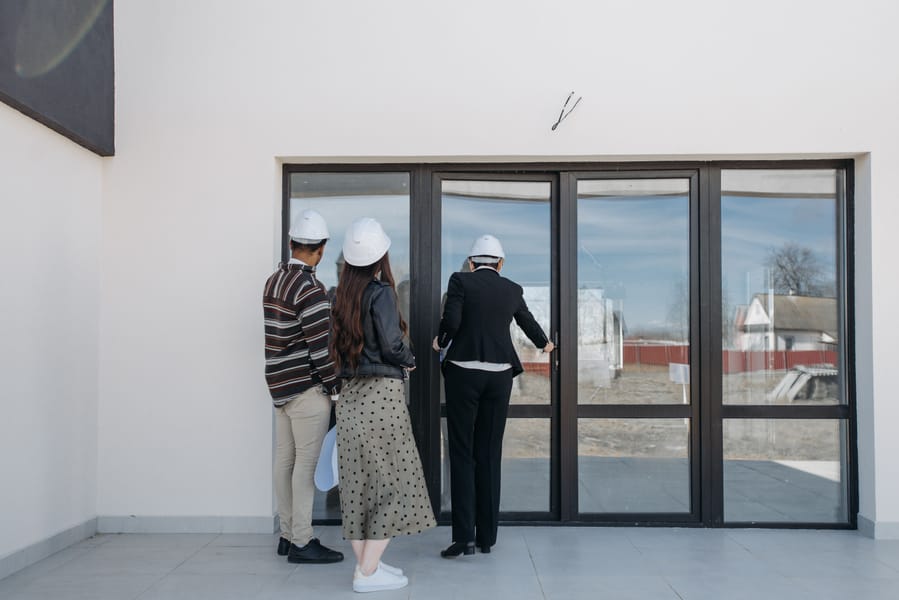
Quick answers to common questions about buying new vs. resale homes.
Ready to Find Your Idea of Home™?
Whether you're leaning towards the modern appeal of new construction or the established charm of a resale home, the right choice is the one that best fits your family's unique needs. At Kindred Homes, we are dedicated to building high-quality, energy-efficient new construction homes across the Dallas–Fort Worth metroplex, designed with trusted craftsmanship and a seamless, personalized buying experience.
We invite you to explore the possibilities and discover why so many families choose Kindred Homes for their next chapter. Let us help you bring “Your Idea of Home™” to life.
